
“To see it reduce our bill by as much as 75% is something really great. We’re managing a lot of costs in a dealership.” — Jack Weidinger, Owner, GMC Bedford Hills
For most commercial sites, demand charges are the biggest controllable driver of electricity bills.
We sat down at GMC Bedford Hills with owner Jack Weidinger and Sprocket Power CEO Maria Fields to talk about how the dealership took control of that cost.
One system, Actively Managed
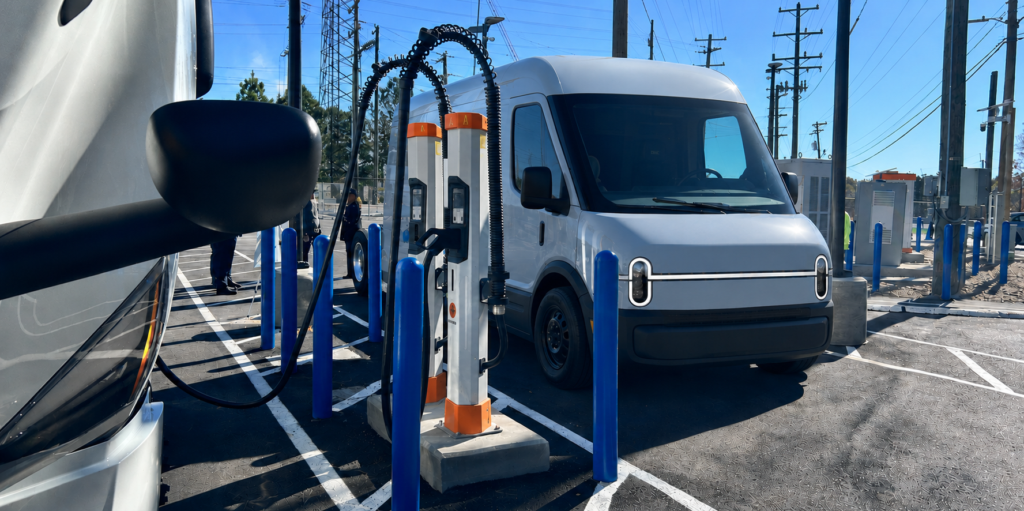
The dealership’s microgrid combines rooftop solar, battery storage, the grid connection, and EV charging, coordinated by software that manages the whole building’s energy use. “It’s a combination of assets, equipment, and software that optimizes that equipment,” Maria explains. “You can’t really get these results by just installing a set of equipment.”
Lower Bills, Steadier Costs, Reliable Power
Jack has seen the dealership’s electric bill drop by as much as 75%. Just as important, the system keeps the lights on: “We need to be open 365 days a year,” he says, “and with storms and power outages, we need power to be there for our customers.”
He’s candid that it’s a long-term investment. “The initial investment is high, so you have to look at it over a long-term period. But once you start looking at the bills over a little bit of time, the savings really stack up.”
True Partnership, Not a One-Time Installation
Rates, programs, and regulations keep changing. “I can’t spend a ton of time focusing on my power needs,” Jack says. “To have your company stay on top of that and take advantage of the opportunities that come along is great, and totally worth the investment.”
Results vary by site, tariff, and system design, which is why every Sprocket Power project starts with modeling against your real utility data.