The Hard Part: Adding EV Charging to Your Facility
Spending hundreds of thousands of dollars on anything requires thoughtful consideration. Buying an expensive electric school bus isn’t child’s play, but it’s a more straightforward purchase than figuring out how to charge it.
Adding EV charging to your facility is complex, and the decisions you make now will significantly impact your long-term operations and costs. The technical and financial aspects of these decisions can create a daunting mix, but don’t despair—help is available!
School districts and independent contractors must take a thoughtful approach and seek expert advice to get started on the right path. Here’s a short list of factors to consider:
• Charger Requirements and Selection:
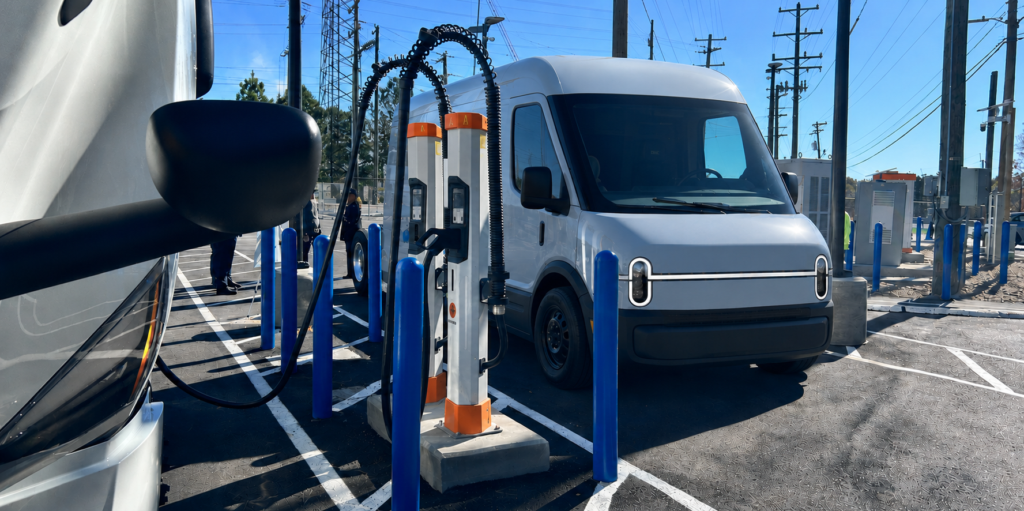
Your bus routes and bus types will dictate your charging requirements. While standardization is coming, it’s not here yet. Selecting EV chargers with variable voltage control can help address a variety of vehicle needs. Choosing a mix of charging speeds (L2 and L3) or charger configurations with load-sharing and charge-management capabilities can also support operational flexibility—a big plus. Additionally, Vehicle-to-Grid (V2G) capabilities may offer revenue opportunities in the future and are worth considering if available.
• Utility Service Upgrades:
For most facilities, upgrading to 480V service will be essential for substantial charging capacity. L3 chargers require it, and the power demands of fleet charging will make staying with 208V service unsustainable long-term. Fortunately, utility “make-ready” programs can cover both “utility-side” and “customer-side” upgrade costs, as can voucher programs.
Planning for the future requires careful trade-offs between time, upfront vs. long-term costs, and your overarching goals. As we often say, you get one bite at the apple to maximize initial incentives. Work with someone who can clearly lay out the trade-offs, such as installing a step-up transformer now versus coordinating with your utility on a service upgrade. These decisions have both short- and long-term implications.
• Don’t Forget Operating Costs:
Demand charges can cause utility bills to rise by 2–5 times their previous levels. Fortunately, there are ways to manage these expenses—just ensure your financial models account for these costs.
• Technology Can Be Your Friend:
Many of the challenges above can be addressed with available technology. From managed charging systems to fully managed microgrids, technology can significantly reduce operating costs. It can turn an unmanaged, volatile expense into a strategic investment in your facility and business.
Make sure you’re working with someone who has the financial expertise to leverage current federal, state, and utility programs and accurately model the economic impacts of different options.
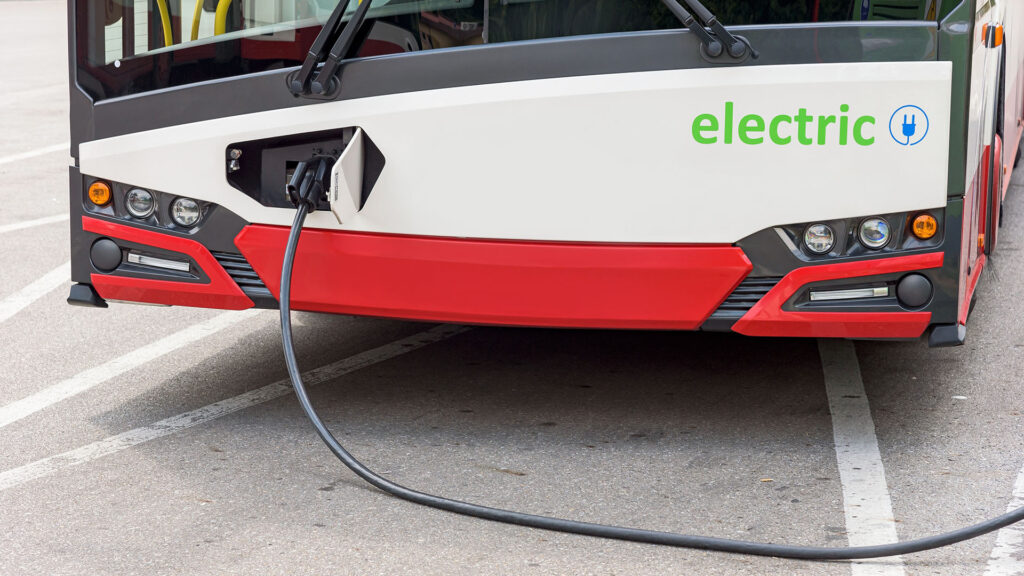
Too bad charging an E-Bus isn’t as simple as plugging in an extension cord! The complexity can be overwhelming, and even one misstep can result in long delays and added costs. The best way to avoid pitfalls is to learn from your peers about what works (and what doesn’t) and to collaborate with an experienced professional familiar with these challenges.
Sprocket Power has experience working with small and medium-sized businesses to design, engineer, and install EV charging systems that manage energy use and control utility costs. To learn how Sprocket Power can help you successfully prepare for the installation of electric vehicle charging stations, contact:
- Maria Fields: (914) 646-4016, mfields@sprocketpower.com
- Ben Kriegler: (917) 363-0606, bkriegler@sprocketpower.com