Proper Planning Can Ease the Transition
Introduction
Change is manageable when it’s gradual and incremental. For the school bus industry change has occurred on a relatively fixed scale allowing industry participants to adapt with minimal interruption to business operations.
Starting in the 1940s when a uniform color for school buses was adopted, change has kept pace with the evolving needs of students and schools. In the 1970s, school bus seats were made taller with thick padding and amber lights, and extended stop arms were introduced. More recently, the addition of 3-point seat belts and stop arm cameras increased passenger safety, while software programs aided scheduling and bus maintenance. These changes, although challenging to adopt (some more than others), were not earth-shattering.
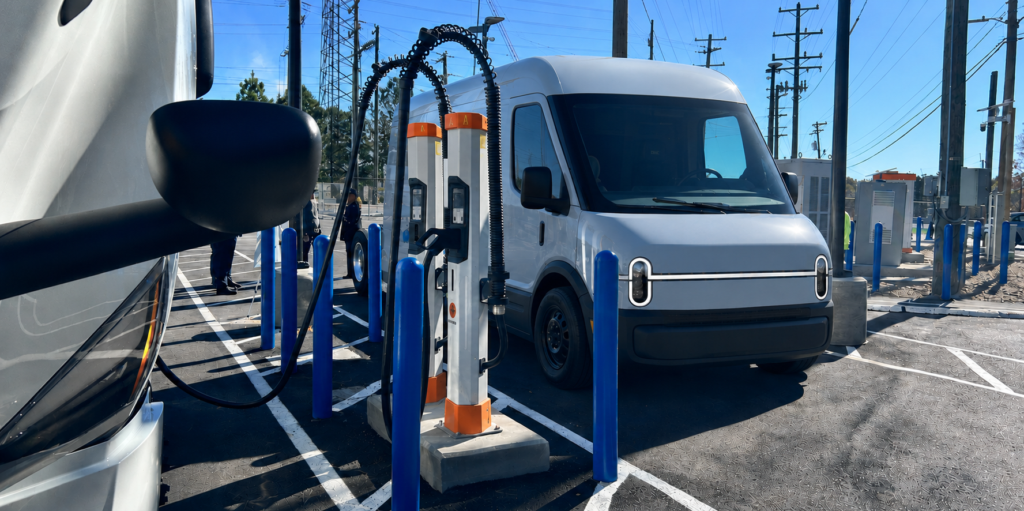
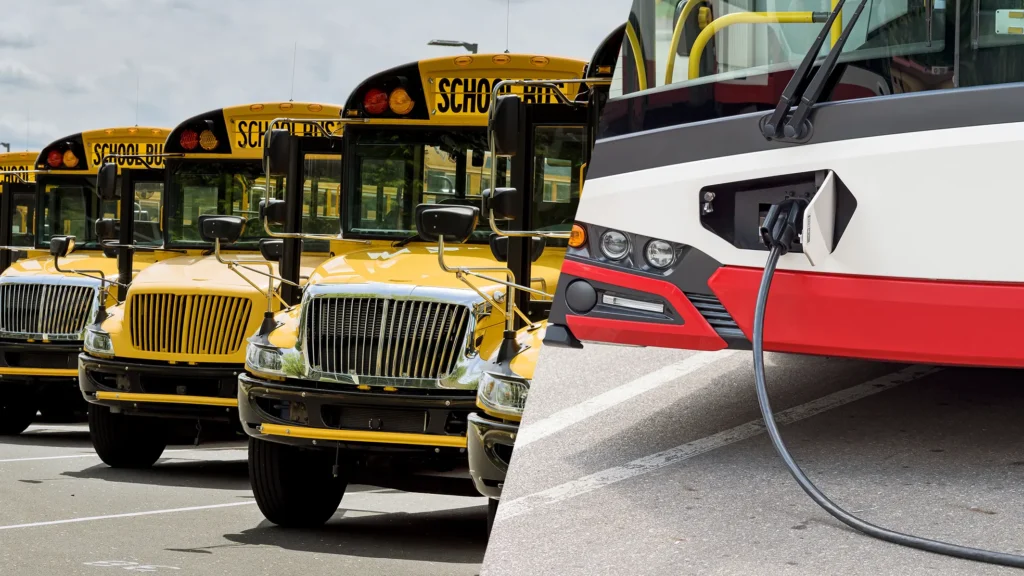
The change that the industry is confronting today is. In fact, it’s revolutionary. In less than three years every school bus purchased must be a zero-emission vehicle. That means every operator must wholly rebuild their depots to power and maintain these vehicles. That’ll be expensive and complicated, so it is imperative to begin planning for the transition to electrification now!
Proper planning requires an understanding of the following:
- Energy Markets and Utility Bills: Bills for commercial consumers of electricity are formulated based on the aggregation of two cost categories: Energy supply and demand delivery. Energy supply is the amount of energy consumed during the billing cycle. Demand delivery charges are based on your single highest 15-minute energy spike of the billing cycle. Failing to control delivery charges will result in significant spikes in monthly energy costs.
- Utility Make-Ready Programs: Powering EVs on an industrial scale isn’t as simple as adding EV chargers. The local utility must be brought into the project design at a very early stage to ensure that sufficient electrical power is supplied to the depot.
- Incentive Programs: There are federal and state incentive programs designed to reduce the cost of purchasing electric school buses and the necessary charging infrastructure. Applying for these programs is time-consuming and document-heavy.
- Future Proofing: The increased use of energy to power a fleet of electric buses will place a strain on the local electric grid that creates operational risk and cost to the operator. Less well-known are the NYS and utility programs designed to encourage a “smart” buildout and operation of EV chargers. Integrating a range of technology at your charging site, including solar panels, battery storage, building management software, and total facility management can reduce the risk of operating cost exposure by minimizing reliance on the grid, especially at peak times.
Operators already preoccupied with the day-to-day running of their businesses most likely don’t have the time to navigate their way through these complex issues. Especially when considering the looming ESB purchase mandate – starting in 2027.
Fortunately, help is available. Sprocket Power specializes in helping medium-sized businesses prepare for on-site vehicle electrification in a way that optimizes access to available funds from public/private programs, takes advantage of established relationships with local utilities, and manages future use of electricity to reduce costs and risk.
To learn more about Sprocket Power, visit sprocketpower.com and contact Maria Fields at (914) 646-4016, mfields@sprocketpower.com, or Ben Kriegler at (917) 363-0606, bkriegler@sprocketpower.com.