
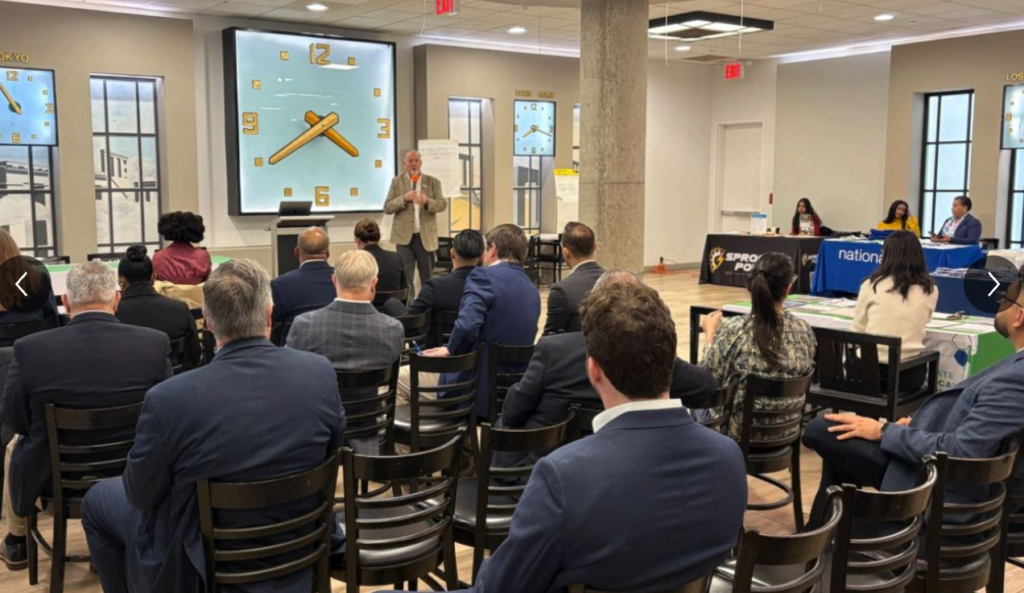
On November 18, Sprocket Power joined the Queens Chamber of Commerce’s Powering New York’s Energy Future event.
The event was hosted by the Chamber’s Energy & Environmental Committee. It brought together Con Edison, National Grid, NYPA, the NYC Comptroller’s Office, and energy practitioners to discuss affordability, reliability, and infrastructure readiness as electrification speeds up across New York.
Ben Kriegler, VP of Business Development, spoke on the Energy Practitioners panel. He focused on a cost many businesses feel but few can control: demand charges. Short peaks in usage, from HVAC, refrigeration, equipment, or EV charging, can drive a large share of a commercial electric bill.
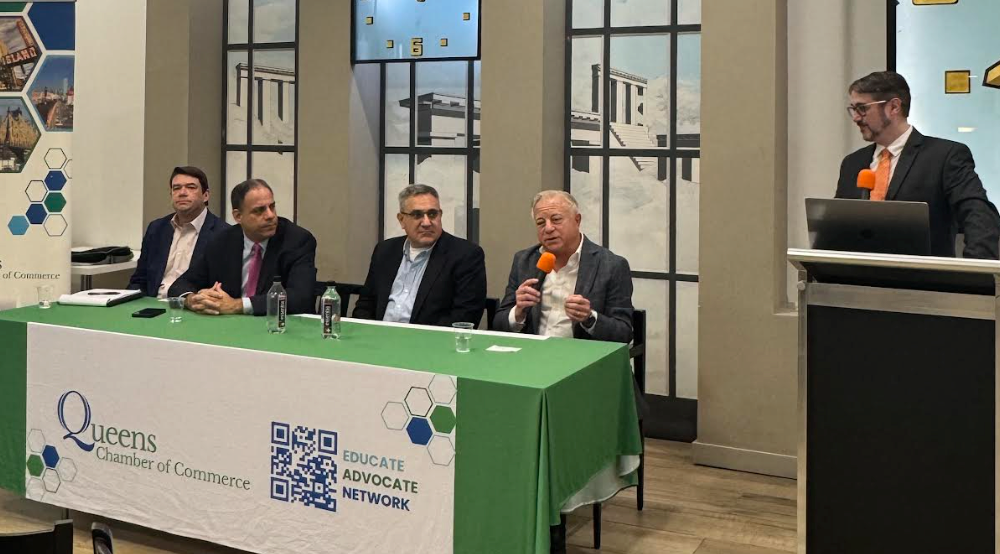
Drawing on Sprocket Power’s experience designing and operating integrated on-site energy systems, Ben explained how businesses can regain control of those costs:
- Reduce demand charges. Battery storage and smart controls manage peaks without disrupting operations, cutting utility costs by up to 75% depending on the site and rate structure.
- Earn recurring grid revenue. Utilities increasingly pay for demand flexibility and energy export, and demand response is one program among several. Across our projects, these revenues and bill credits average about half of the ongoing financial benefit.
- Keep the results through active optimization. The economics depend on how the system is operated, not just what is installed. That takes continuous tuning, not “set it and forget it.”
He also argued that battery storage should be treated as a core facility asset, not an optional add-on. It is the controllable part of the system that turns energy from a volatile expense into a managed business asset.
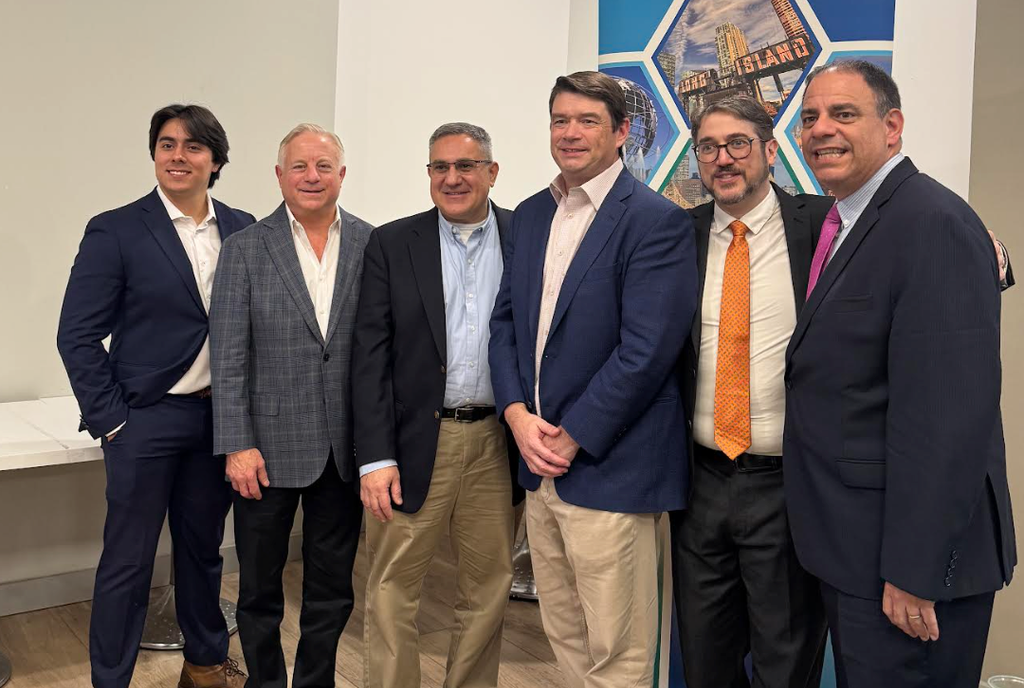
Thank you to the Queens Chamber of Commerce, moderator Jay Solly, and fellow panelists Costa Constantinides and Matthew McCue for an engaging discussion on building a more affordable, resilient, and sustainable energy future for New York’s businesses.
Curious what demand charges are costing your business? Share 12 months of utility bills and we’ll model your savings and grid revenue potential against your actual tariff, with no obligation. Start here!